
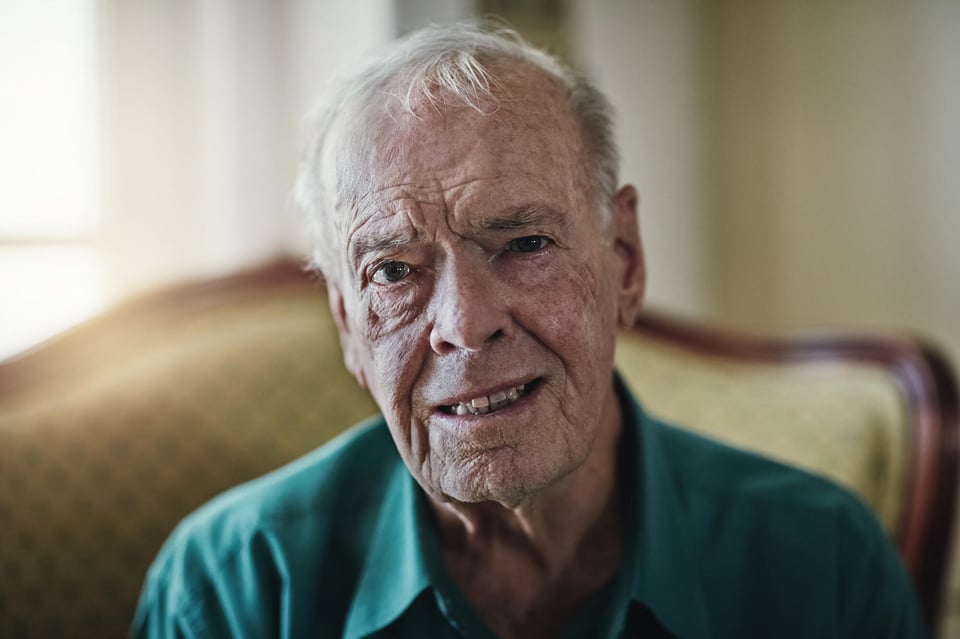
Brain injury exercises like matching games can help seniors rebuild memory and focus. This is accomplished by strengthening neural pathways and encouraging the brain to adapt after damage.
Consistent mental and physical practice supports recovery through improved attention and confidence. It's true that recovery looks different for every older adult, but structured exercises can have a major role in regaining function.
Do your challenges stem from falls, illness, or stroke recovery? Either way, targeted activities in Albuquerque, NM, can support progress while respecting energy levels.
How Can Seniors Improve Memory After a Brain Injury?
Memory improvement after a brain injury often begins with repetition, structure, and patience. Simple daily practices encourage the brain to relearn how to store and retrieve information without overwhelming cognitive reserves.
Short recall activities work especially well. Seniors might practice one or more of the following:
- Remembering a short list of words
- Recounting parts of a conversation
- Reviewing familiar routines aloud
Over time, these efforts can strengthen recall by reinforcing neural connections. Gentle memory training for seniors often focuses on functional tasks, such as remembering appointments, names, or steps in a day-to-day routine. Doing this makes progress feel practical and motivating.
Visual cues also have a staple role. Using calendars, labeled drawers, or color-coded notes can reduce frustration while still encouraging independent recall. As confidence grows, external cues can be reduced bit by bit to allow the brain to take on more of the work.
Consistency matters more than duration. Five to ten minutes of everyday practice often produces better results than occasional longer sessions. This is especially true for older adults managing fatigue.
What Types of Exercises Help Restore Focus and Attention?
Focus and attention frequently suffer after a brain injury, yet targeted exercises can help rebuild mental stamina. Attention-based activities train the brain to filter distractions and stay engaged with one task at a time.
Puzzles encourage sustained concentration. Examples of fun options include the following:
- Word searches
- Matching games
- Simple sequencing tasks
Reading short passages and summarizing key points aloud also supports attention while reinforcing comprehension. Structured cognitive rehabilitation programs often include similar exercises, gradually increasing complexity as focus improves.
Mind-body activities offer additional benefits. Gentle movement paired with awareness can include everything from stretching while counting repetitions to walking while naming objects in the environment. Doing this strengthens focus through coordination.
Breathing exercises can further support attention by calming the nervous system and reducing mental overload.
Environmental setup has a role to play as well. The following can help seniors practice focus without unnecessary distractions:
- Quiet spaces
- Limited background noise
- Predictable routines
All of the above can help one rebuild attention skills in a more natural way.
Can the Brain Really Heal After Injury in Older Adults?
Healing remains possible at any age, thanks to the brain's ability to adapt and reorganize. Scientific research supports the idea that older brains can form new connections when given the right stimulation and time.
Activities designed around neuroplasticity exercises encourage this adaptability. The following challenges the brain to create alternative pathways around damaged areas:
- Learning a new skill
- Practicing problem-solving
- Engaging in meaningful conversation
Progress may feel gradual, but small gains often add up to meaningful improvements in daily life.
Physical activity also supports cognitive healing. Light aerobic movement increases blood flow to the brain, which supports general brain health after injury. Even short walks or chair-based exercises can enhance mental clarity and energy.
Supportive environments matter. Seniors who feel encouraged rather than rushed tend to engage more fully in exercises, which can improve outcomes. Communities such as Morada Quintessence often emphasize daily routines and social connections that naturally reinforce cognitive practice without pressure.
Can Social Interaction Support Cognitive Recovery After A Brain Injury?
Social interaction can play a meaningful role in cognitive recovery by naturally exercising memory, language, and attention skills. Conversations encourage seniors to recall details, follow topics, and respond thoughtfully, all of which support mental engagement. Group discussions or even casual chats within a community setting can reinforce cognitive progress.
Frequently Asked Questions
How Long Does Cognitive Recovery Take After a Brain Injury?
Recovery timelines vary widely depending on injury severity, overall health, and consistency of practice. Some seniors notice small improvements within weeks, while others experience gradual progress over months. Ongoing mental engagement often remains beneficial even years after injury.
What Are the Best Brain Exercises for Seniors at Home?
At-home exercises often include memory recall games, reading and summarizing, puzzles, and simple math or sequencing tasks. Activities tied to everyday life, such as following recipes, tend to feel more meaningful and sustainable.
Can Seniors With Dementia Benefit From Brain Injury Exercises?
Many seniors with dementia still benefit from structured cognitive activities, especially when exercises focus on routine, familiarity, and repetition. Goals often center on maintaining function and reducing frustration rather than full recovery.
How Often Should Seniors Practice Cognitive Exercises?
Short daily sessions usually work best. Ten to 20 minutes of focused activity, once or twice per day, often provides enough stimulation without causing fatigue. Rest days can still include light mental engagement through conversation or music.
Are Physical Exercises Important for Brain Recovery?
Physical movement supports cognitive recovery by improving circulation, mood, and sleep quality. Even gentle exercises can complement mental practice and support overall recovery goals.
Should Brain Exercises Be Supervised?
Supervision can be helpful during the early stages or when safety is a concern. As confidence grows, many seniors can practice independently with occasional guidance to adjust difficulty or variety.
It's Vital to Follow the Right Brain Injury Exercises
Brain injury exercises give seniors a practical path toward rebuilding memory and focus through day-to-day patience and effort. Progress often feels gradual, yet consistent practice supports confidence and mental clarity.
Morada Quintessence is where seniors come to thrive in every respect. Our bustling social calendar makes it easy to stay engaged in mind and body. Residents can choose from wellness classes, book club discussions, game nights, and more.
Our resort-style amenities, pet-friendly environment, and restaurant-style dining will elevate your golden years. Reach out to a Morada Quintessence team member now and schedule a tour.